
Morro Solar: Metropolitan Public Space Use and Heritage Experience Preliminary Proposal
Leading this research, we questioned the sensibility behind the new civic plaza in Morro Solar through a design and anthropological lens. By conducting multi-modal research—in-person, asynchronous, and virtual—we gathered and analyzed data using agile methodologies. The findings informed key insights, strategic recommendations, and the conceptualization of a preliminary experiential design proposal.
Research Project, 2020
Input
A hidden gem of Lima’s landscape and history
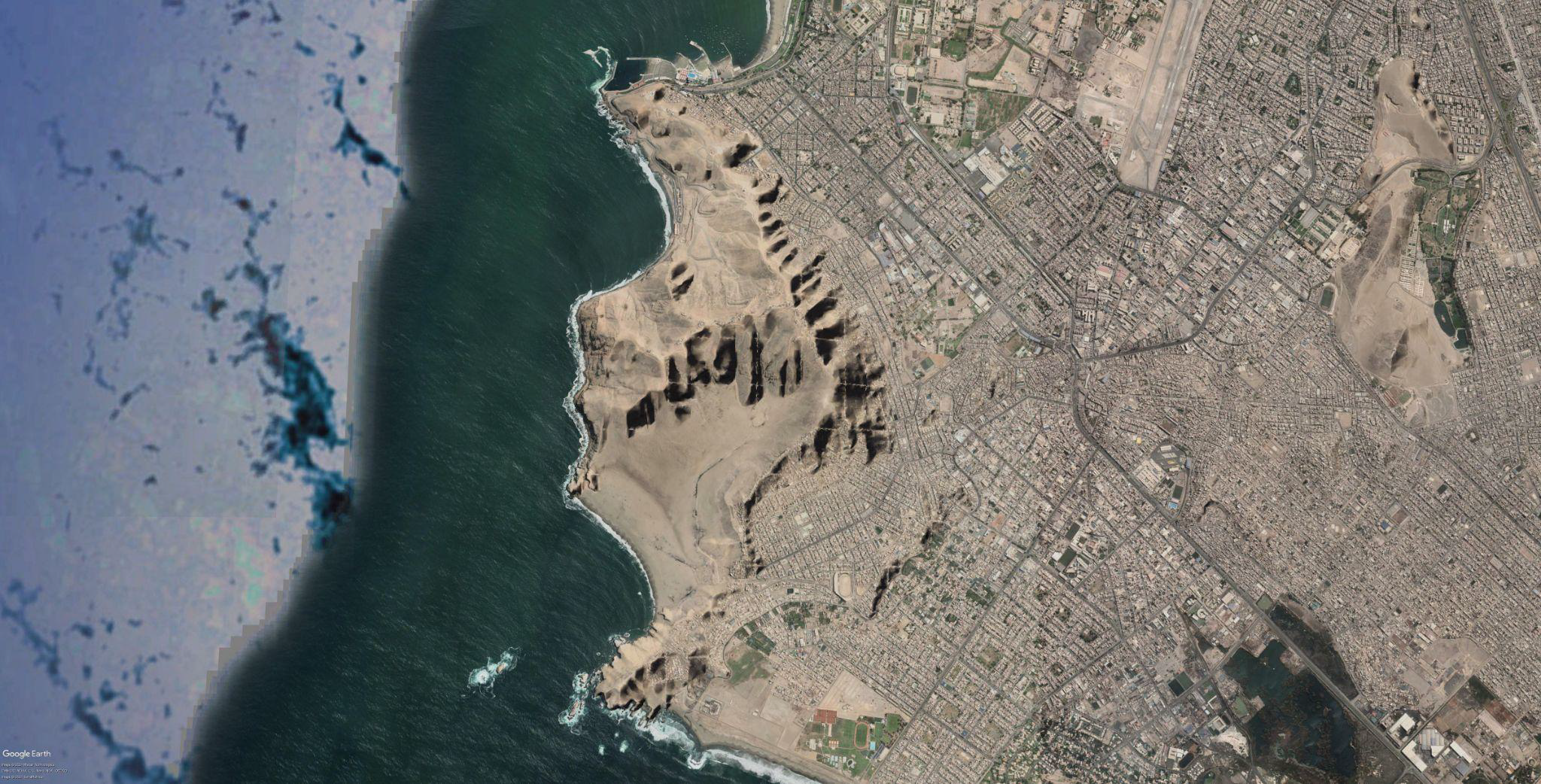
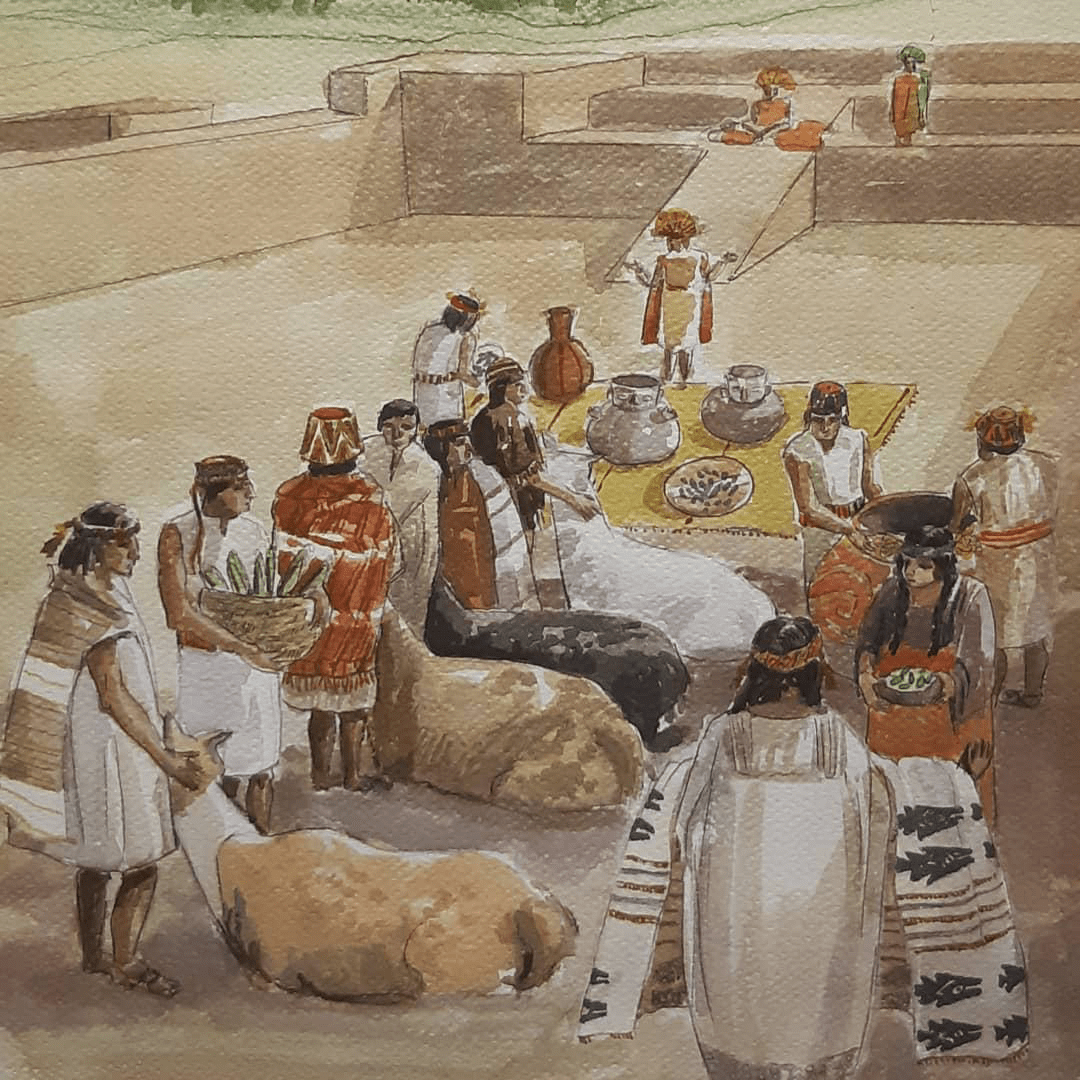
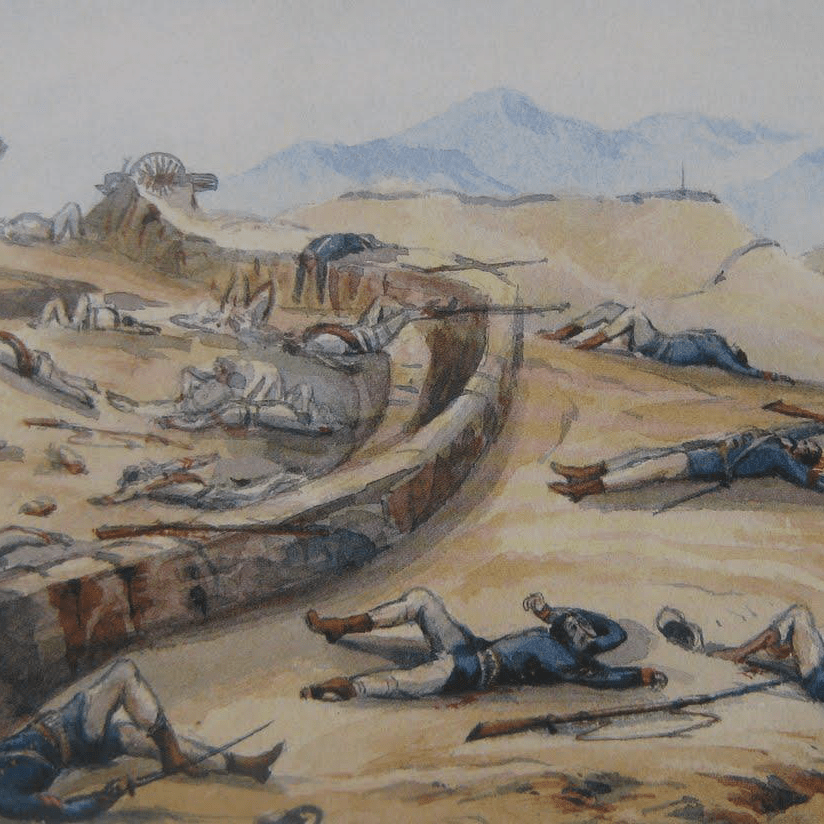
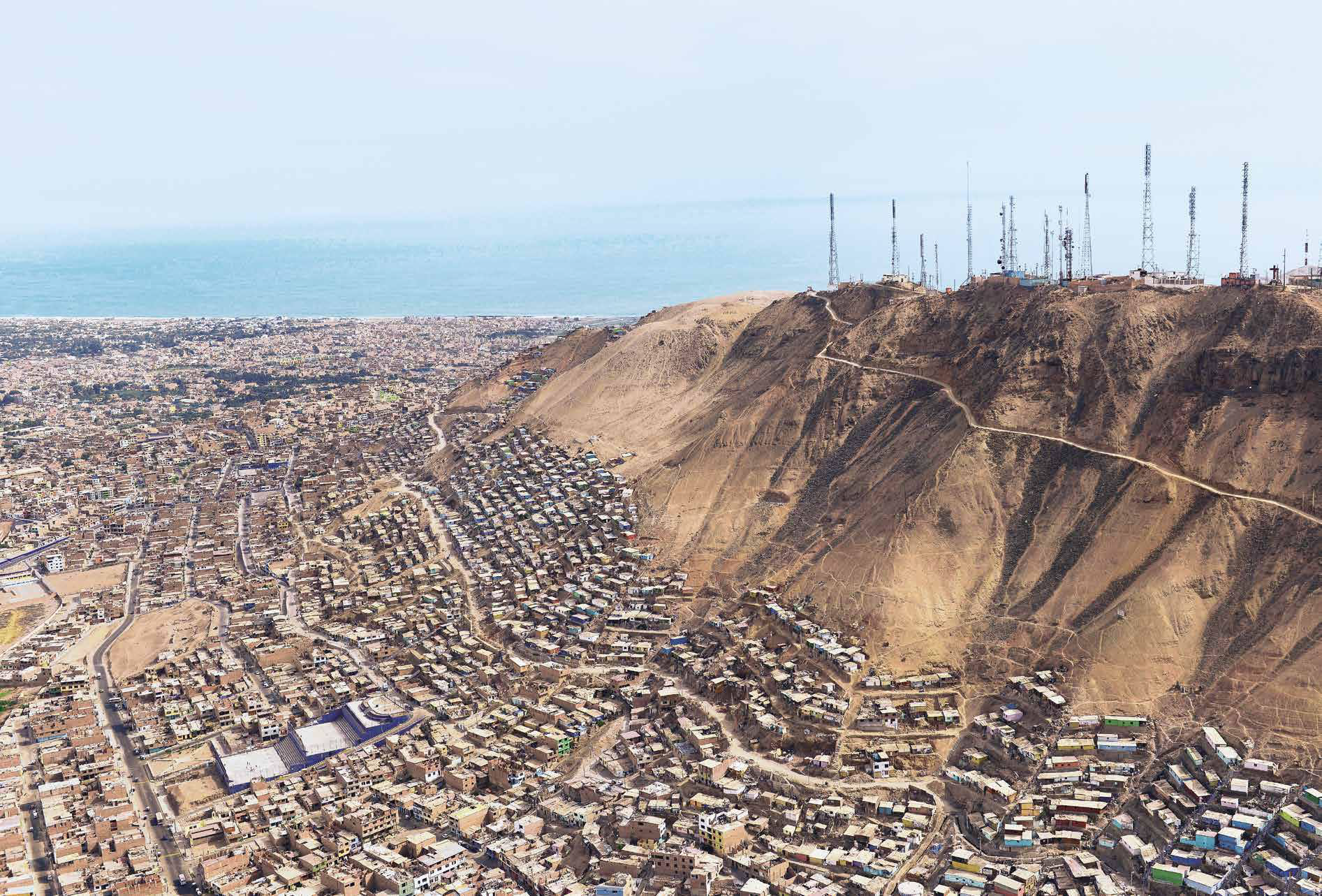
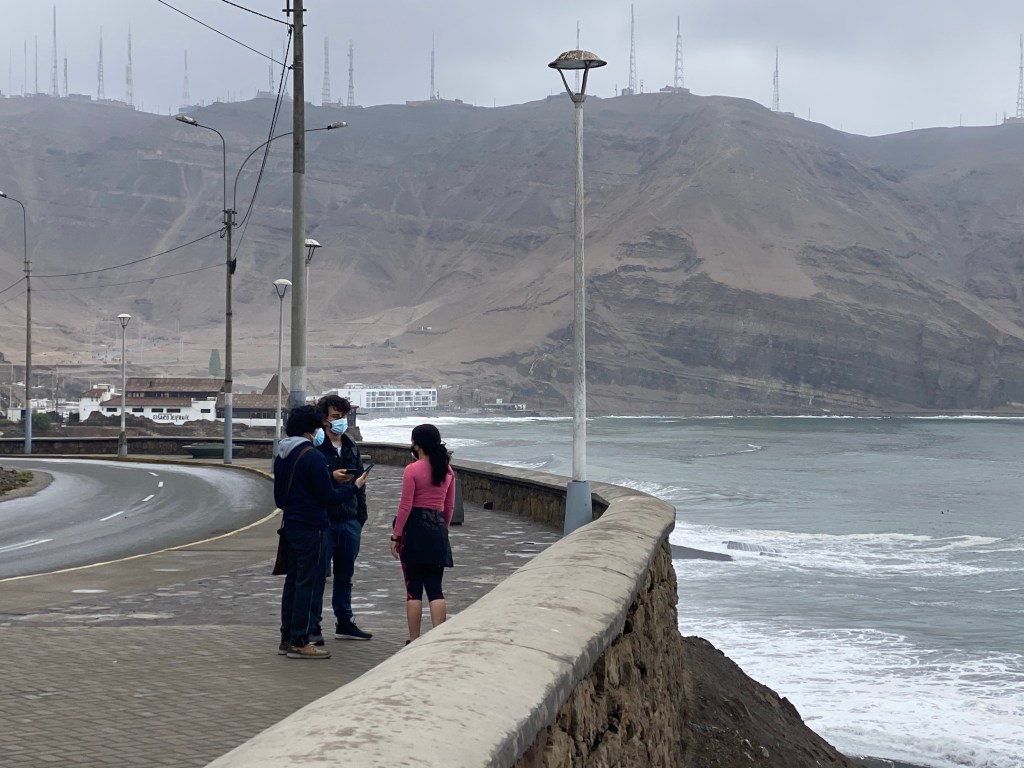
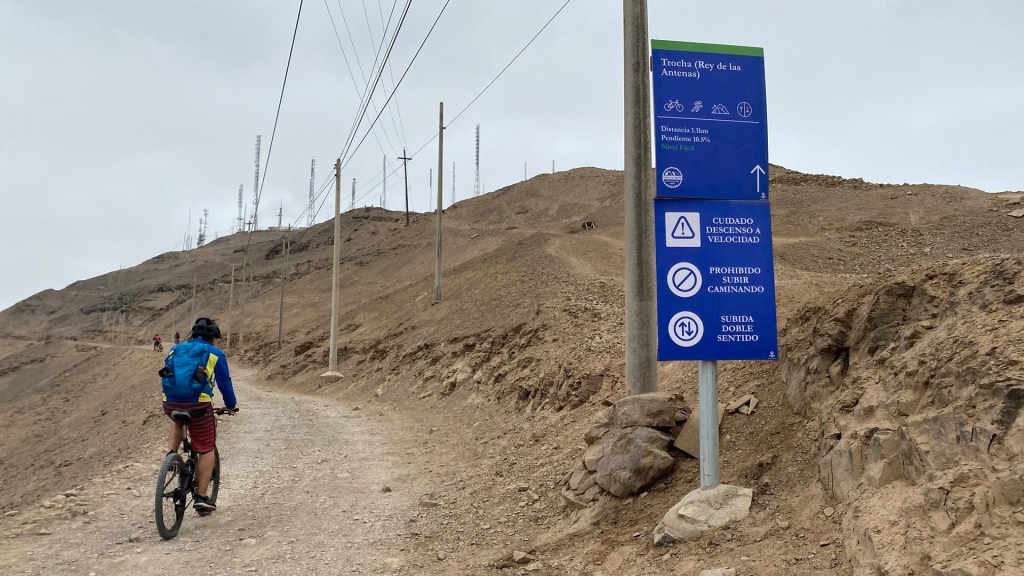
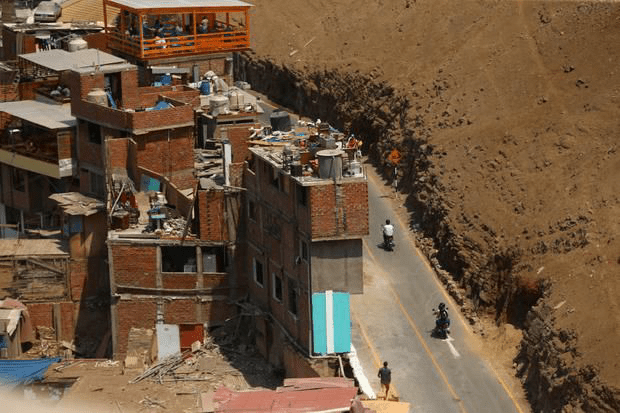
The Morro Solar is a collection of hills located in the flat territory of the Lima district of Chorrillos, adjacent to the Pacific Ocean. Despite not being related to the Andes mountain range, it holds significant paleontological and archaeological importance. The area belonged to the Pantalasa global ocean that formed 750 million years ago during the Precambrian era. The Cordillera de la Costa Sudamericana, formed 350 million years later, now submerged off the Peruvian central coast, leaving traces of Earth’s history and Lima’s past. Additionally, it has served as the preferred bay for Lima’s residents since the colonial era and was a strategic location during the War of the Pacific. The Morro Solar is not only a unique geographical feature but also an urban heritage site with exceptional cultural and natural values. Currently, it hosts several monuments and provides a range of activities for various audiences, including mountain biking, trekking, surfing, and more. Amid the COVID-19 pandemic, the limited public spaces and the housing crisis have increased demand for outdoor activities, resulting in a rapid increase in Morro Solar’s public use without necessary precautions to preserve its paleontological, archaeological, and historical significance.

Government vs. citizenship and academia
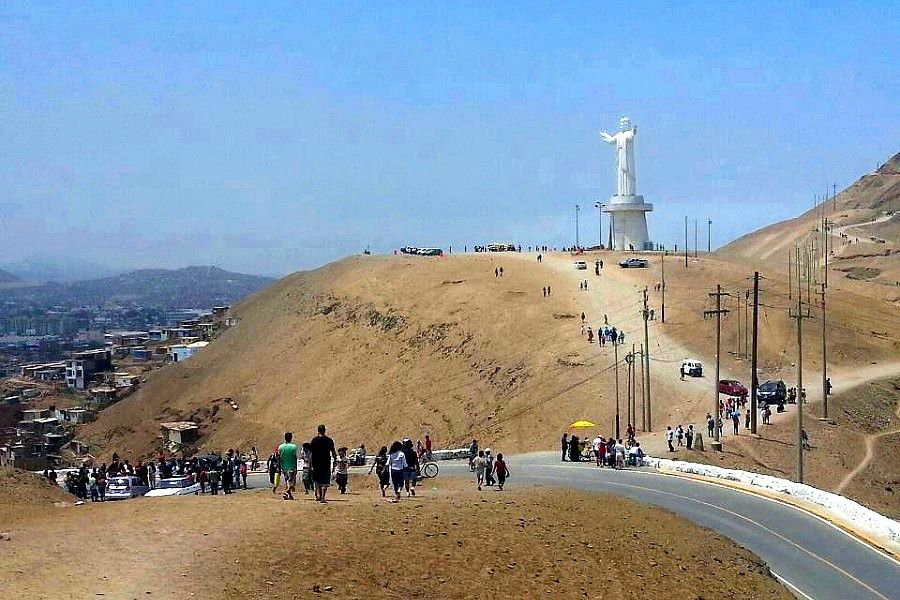
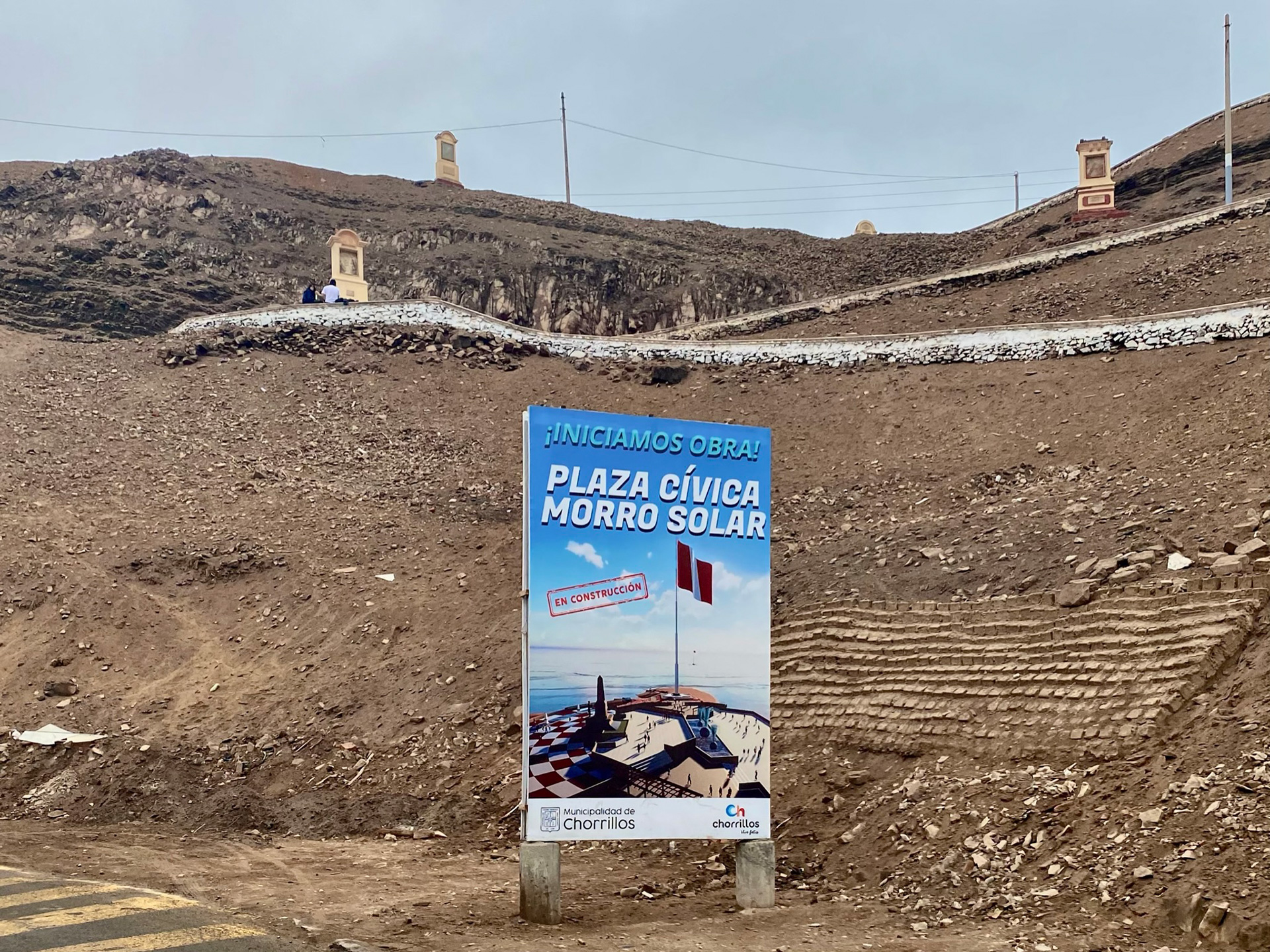
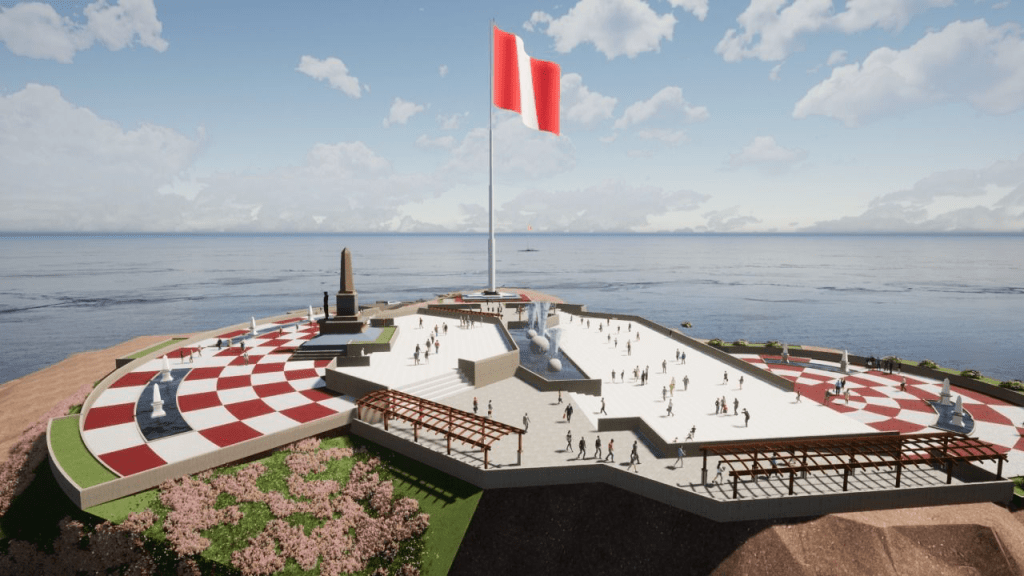
Due to the health emergency, the use of Morro Solar as a metropolitan public space has increased significantly. However, considering the complex socio-urban situation – woven by the bureaucratic sharing of jurisdictions, the constant motivation for housing invasion, and the underutilization for sustainable tourism – the erosion of the patrimonial place is exacerbated by the hasty and disjointed interventions of the local government. The construction of a new civic square on Morro Solar has sparked opposing views: on the one hand, it is seen as a patriotic act for the Bicentennial of Peru, but on the other hand, it is seen as an urban neglect that does not take into account the needs of the citizens and the academia.
Process
Understanding Social Actors’ Perceptions of Morro Solar
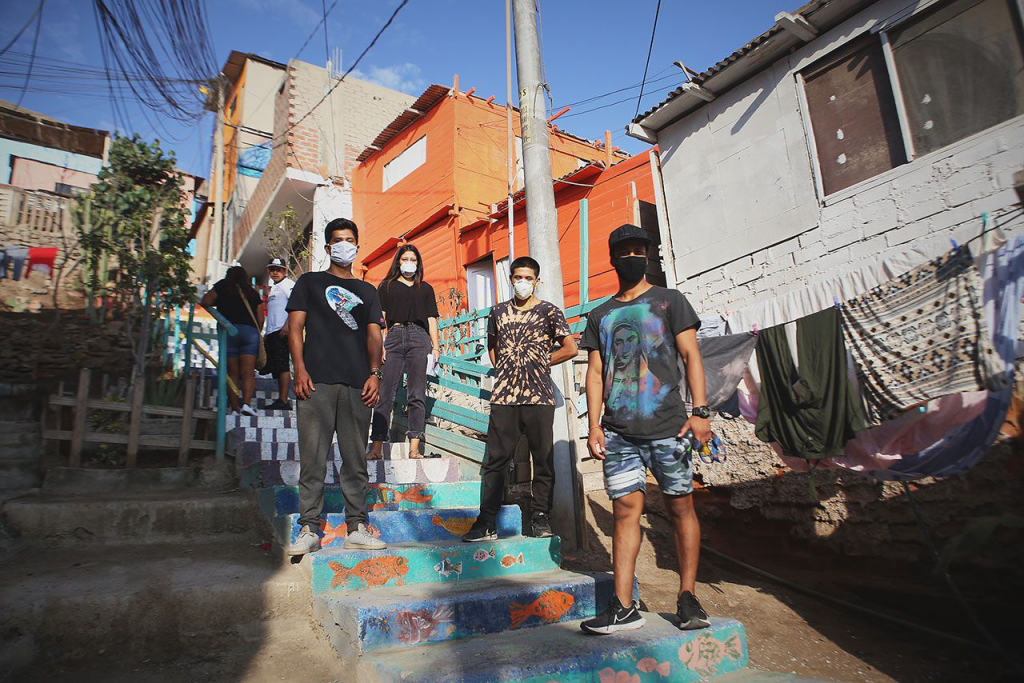
From an anthropological and design approach, this research aims to understand, in a general sense, the viewpoints of both direct actors (visitors, residents, and merchants) and indirect actors (academic and professional circles, as well as organized citizens). Qualitative studies were conducted, including in-person and digital ethnographic observations and short and in-depth interviews, in order to investigate how these different social actors perceive the heritage values of the site and analyze how citizens confront interventions developed by government agencies, such as the civic plaza for the bicentennial celebration. The specific objectives of the research were:
- Discover the values attributed to Morro Solar by citizens, academia, and government.
- Explore the level of satisfaction in the use of public space and reveal the needs and aspirations of visitors.
- Analyze the discourses of different social actors regarding the implementation of the bicentennial civic plaza.


Output
Conclusions
There is a poor cultural and recreational experience and a strong distortion of Morro Solar as Lima’s heritage becuase of these three events:
- Lack of Projection: If basic services (security and cleanliness) are not covered, it is impossible to propose an improvement in the Morro experience and reflect its heritage values.
- Lack of Management: Participatory design is a fundamental tool to conduct a relevant proposal; tailored to the needs and aspirations of citizens.
- Citizen Disconnection: The new civic square could have counterproductive effects due to its inconsistency with the natural and cultural landscape.
Recomendaciones
Based on the critical perspective of design and anthropology, the following recommendations are proposed to guide future urban interventions in Morro Solar:
- Assemble an interdisciplinary team that includes experts in both design and anthropology.
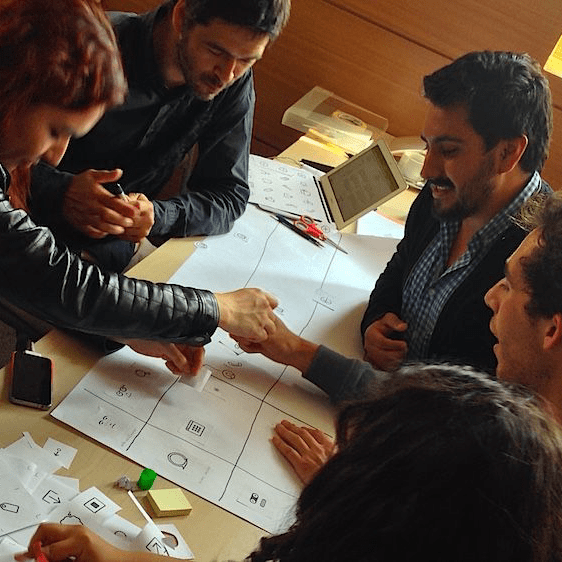
- Incorporate participatory design in every stage of the urban intervention process.
- Foster relationships between academic, professional, governmental, business, and citizen groups.


A preliminary proposal for an heritage experience
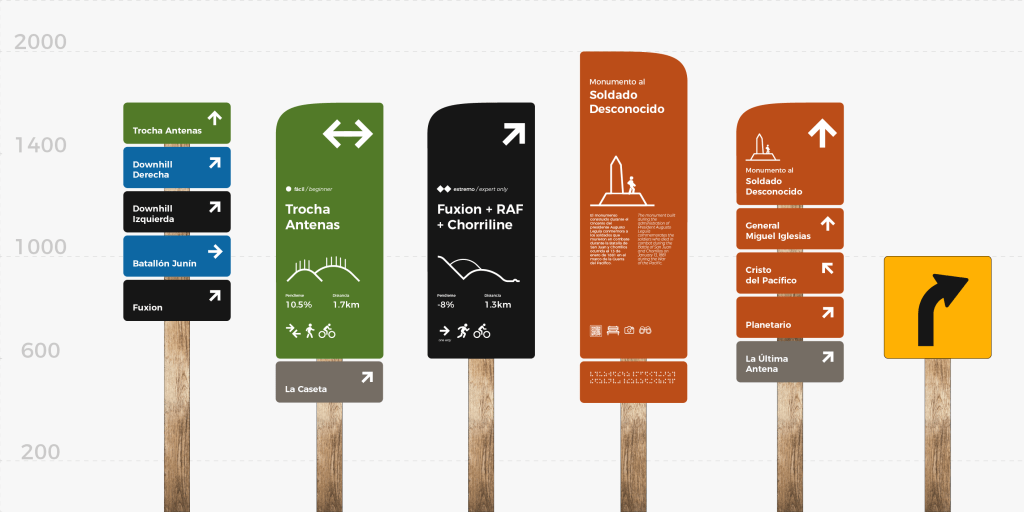
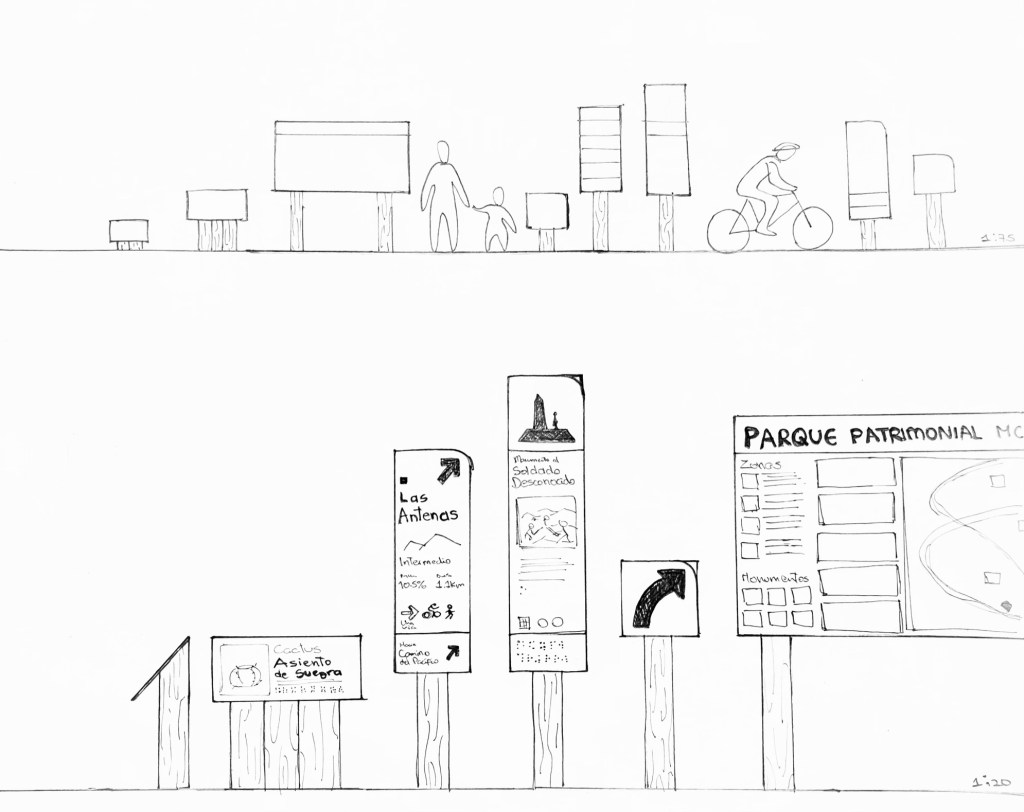
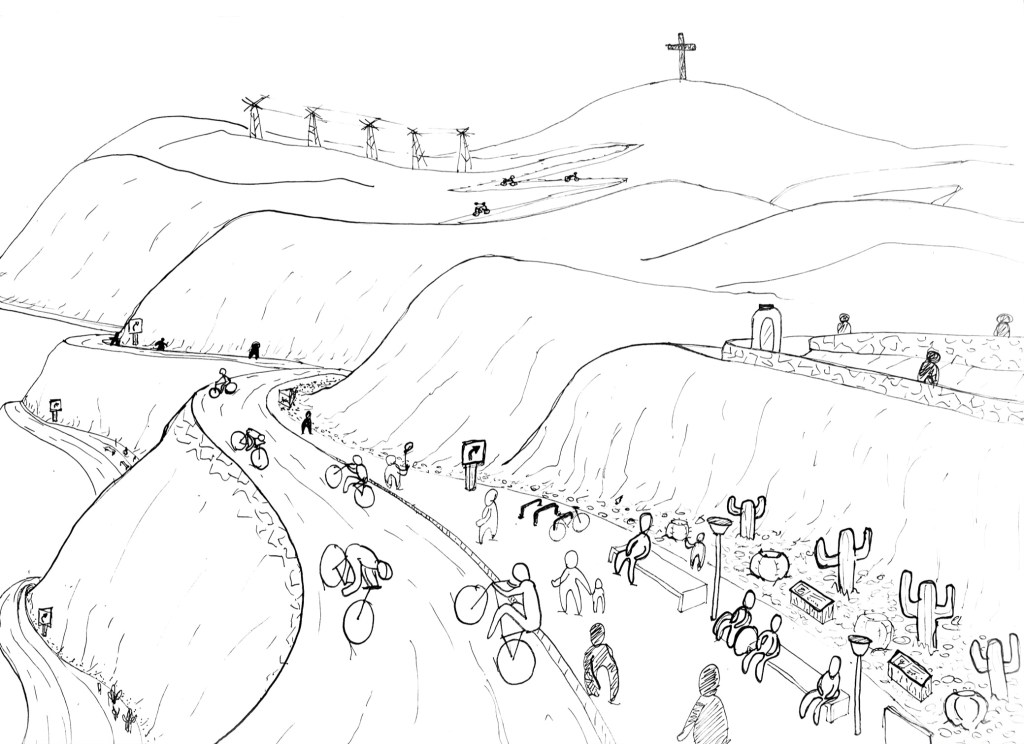
We proposed intervention for Morro Solar aims to transform the relationship between citizens and their urban heritage through a comprehensive urban design approach, focused on a wayfinding system to improve navigation, placemaking, and interpretation of heritage values. The design proposal as a Heritage Park aims to promote mobility for visitors, habitability for residents, and integration for merchants while respecting the natural and cultural landscape. The wayfinding system will complement the basic urban services and road design and will be used to induce an immersive experience that sensitizes the heritage values of Morro Solar, promoting a sense of placemaking and discovery beyond the obvious.
More
4to Foro Ciudades Cómo Vamos lecture
Research project led by industrial designer Gabriel Córdova and conducted by the team made up by Rocío Zegarra, Karen Lacma, Fernado Sánchez y Gonzalo Céspedes within the subject Diseño, Sociedad y Cultura taught at the Pontificia Universidad Católica del Perú during the hibrid academic semester 2021-1. Upgraded with Rocío Zegarra to participate at 4to Foro Ciudades Cómo Vamos conference held virtually in Lima, Peru in 2021; where it was part of the thematic line Ciudades a la Medida. Special thanks to Licia Rebaza y Juan Montalván for mentoring.
 Gabriel Cordova Ch.