
Zarbike: Riding around the coastline
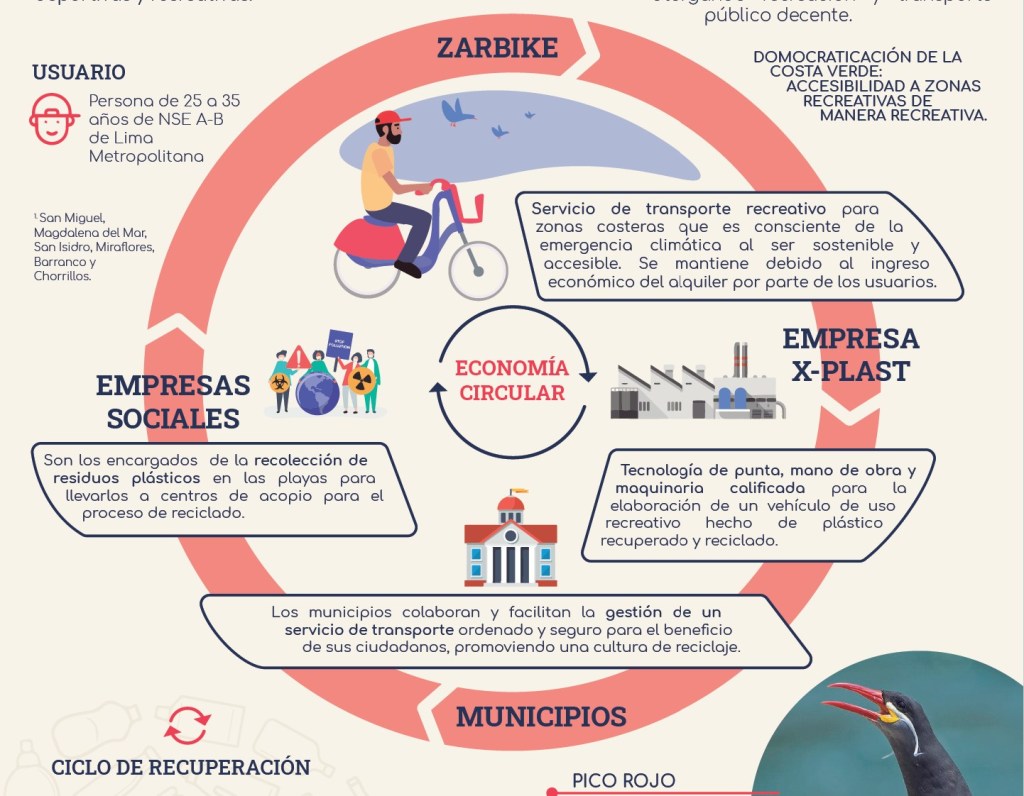
A sustainable mobility service that transforms plastic waste from beaches into human-powered vehicles, reshaping urban life while restoring Lima’s coastal ecosystem. By merging recreation and environmental action, it challenges car dominance, reclaims public space, and invites birds back to the shoreline—turning every ride into a step toward a cleaner, more vibrant city.
Input
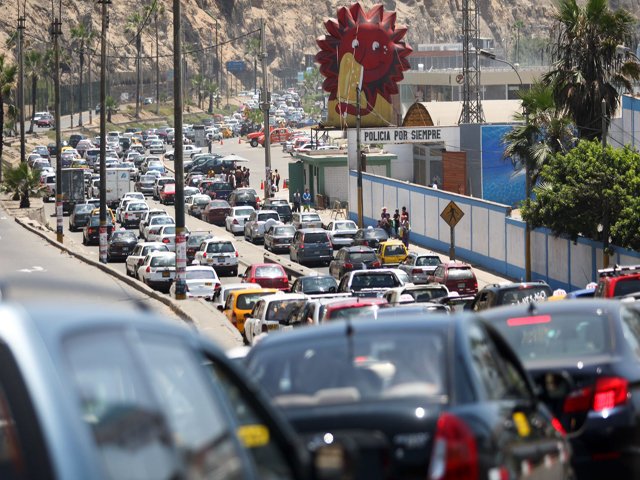
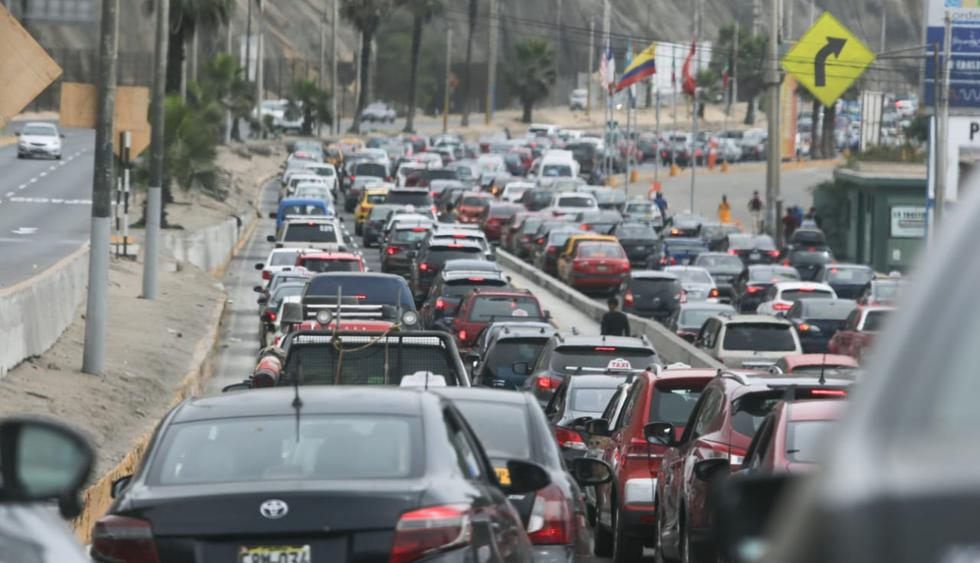
Costa Verde: high traffic road or metropolitan public space?
Transportation in the capital city is a challenge that consists of proposing safe and efficient solutions for sustainable mobility. Currently, the Costa Verde is mainly used as a highway despite its original vision: the practice of sports and recreational activities for the people of Lima.
Process
Costa Verde: A high traffic road or a metropolitan public space?
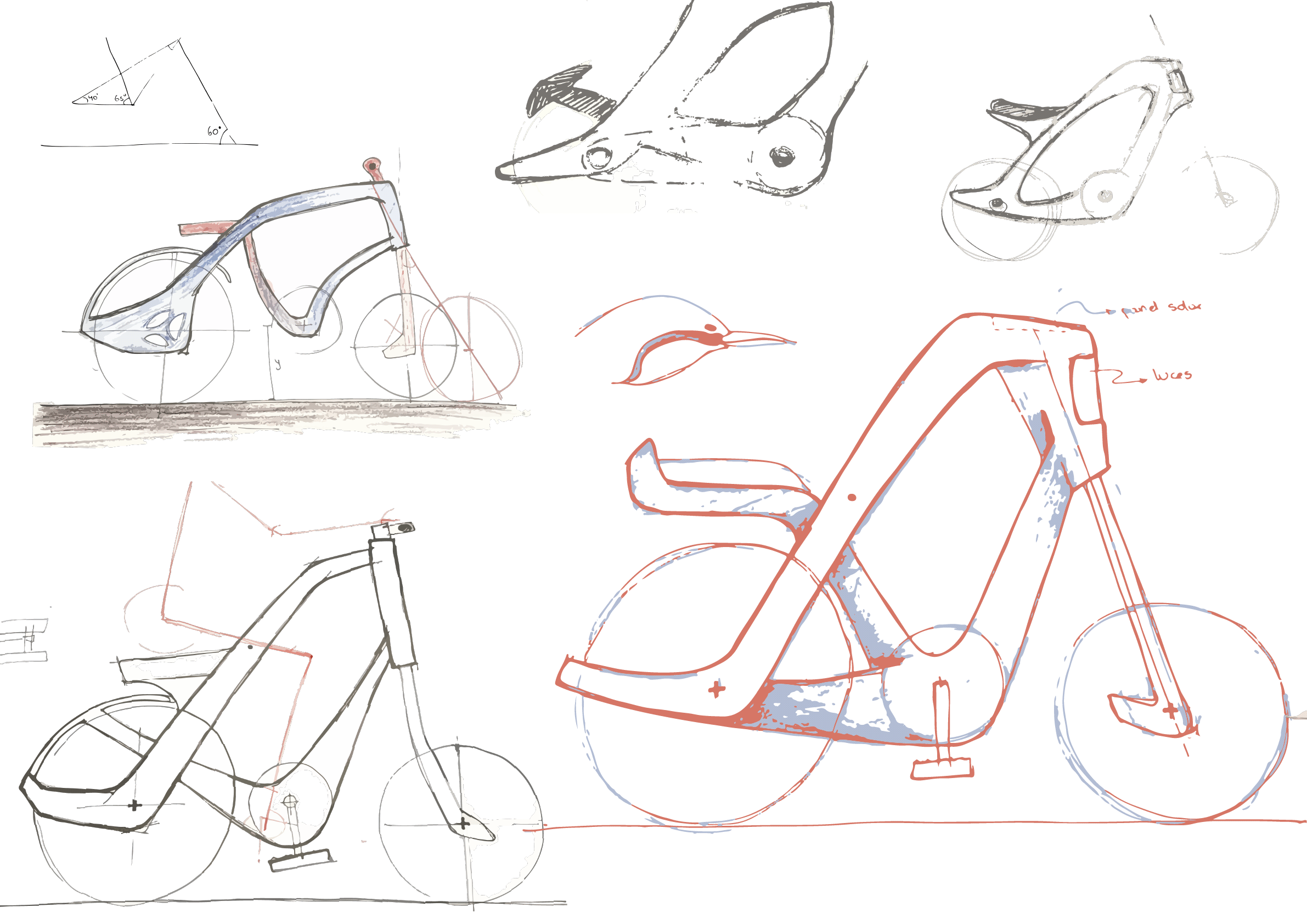
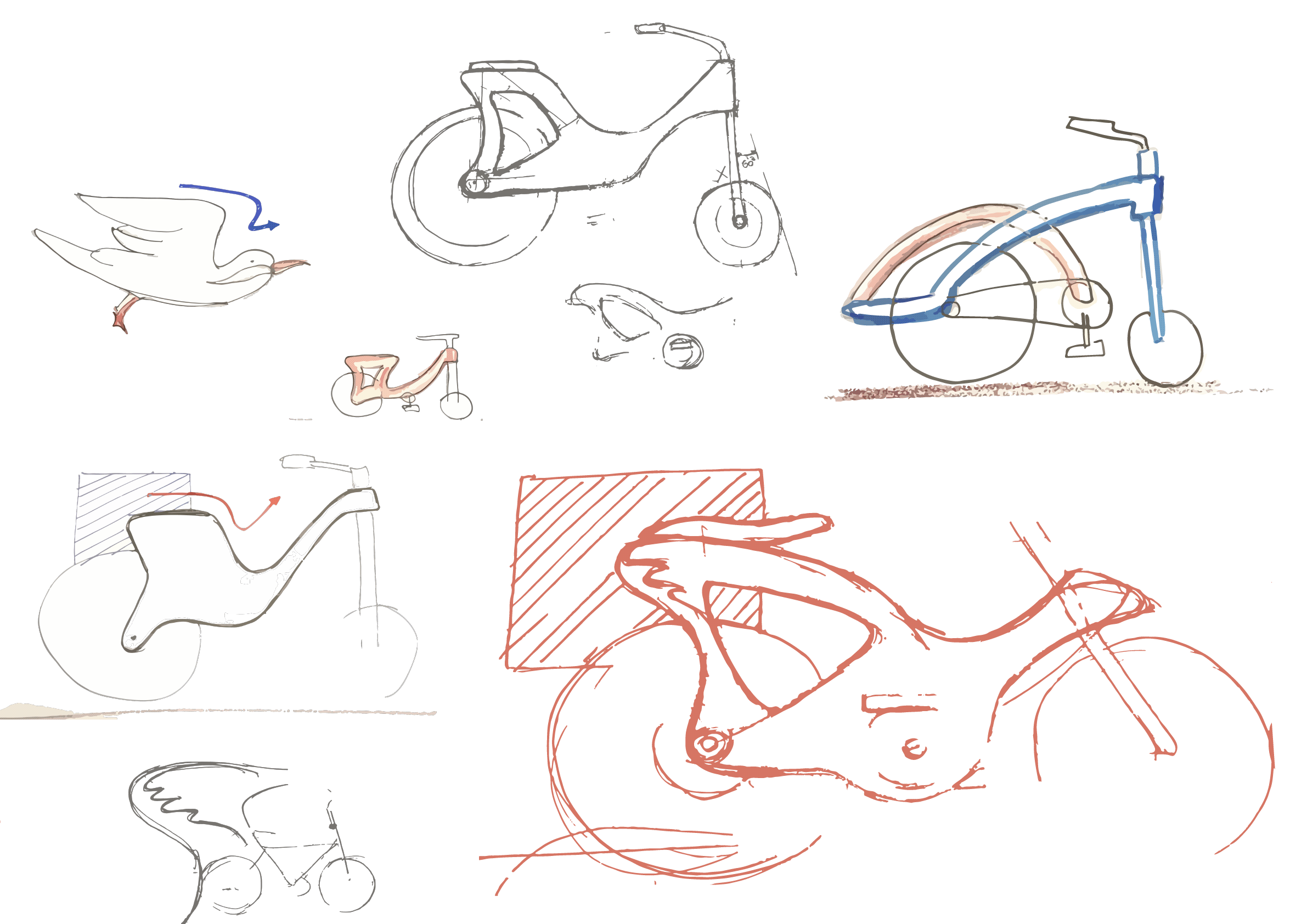
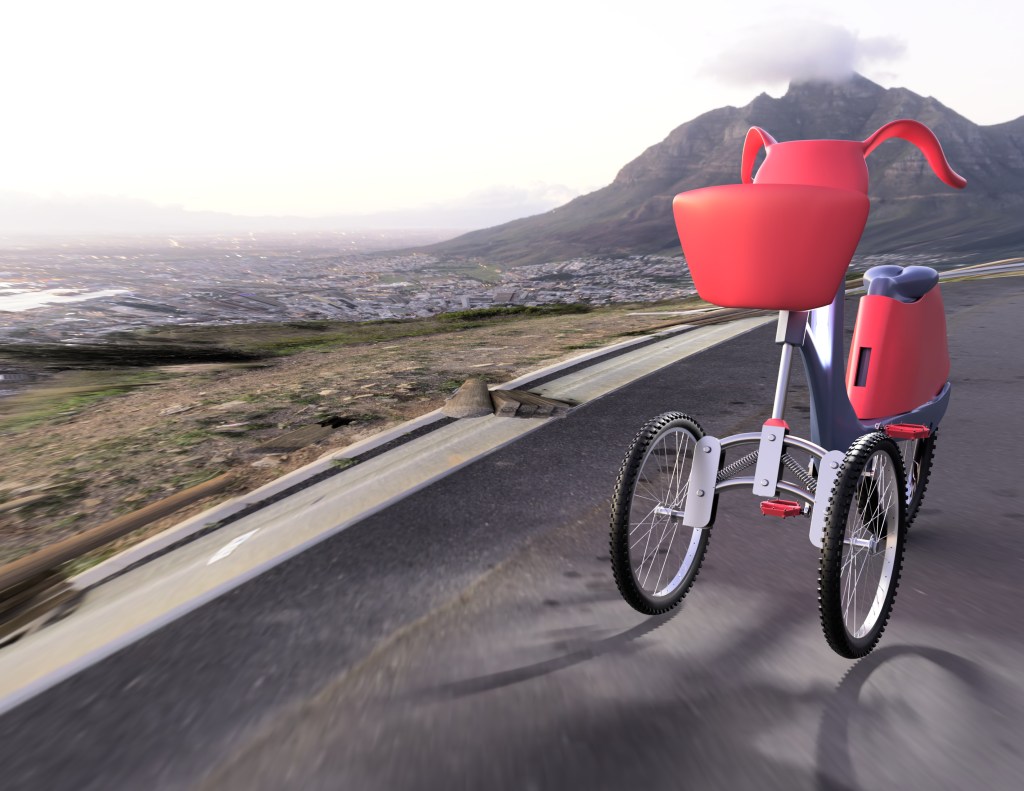
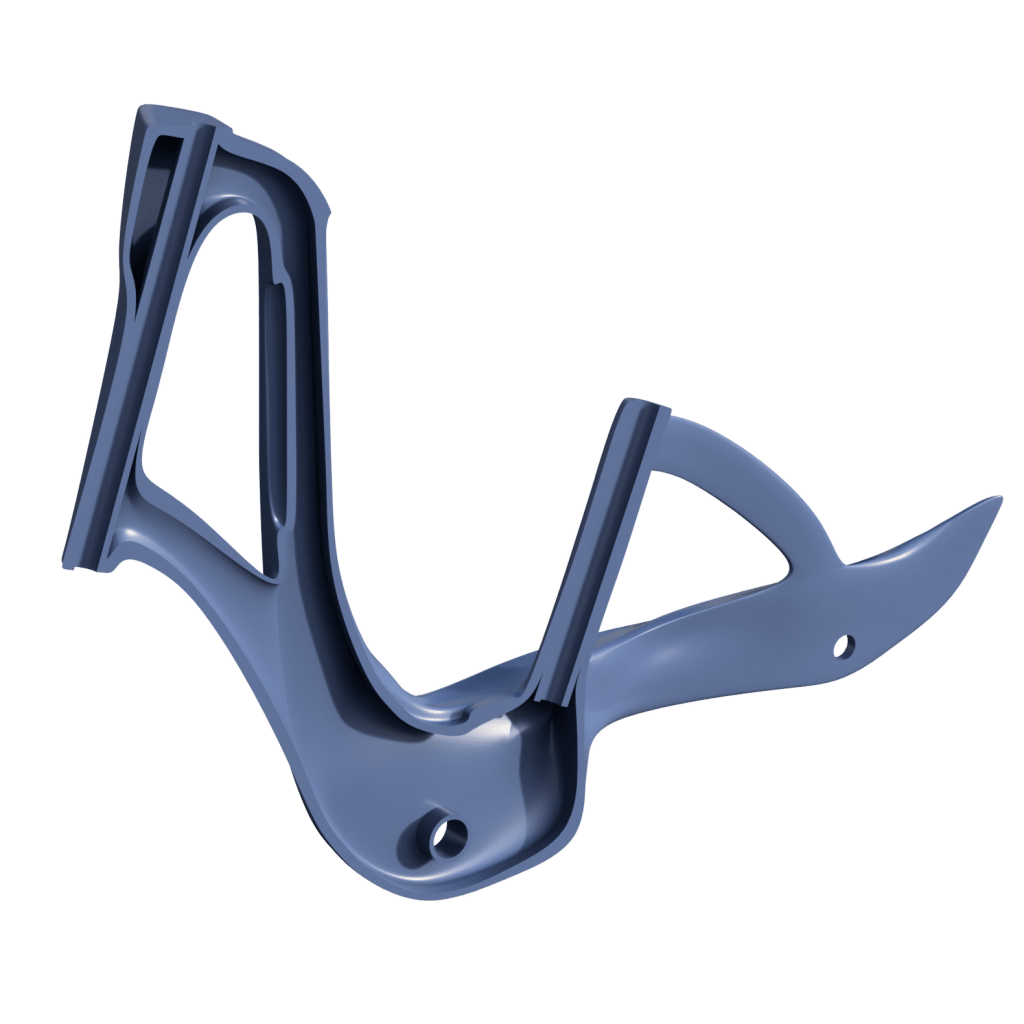
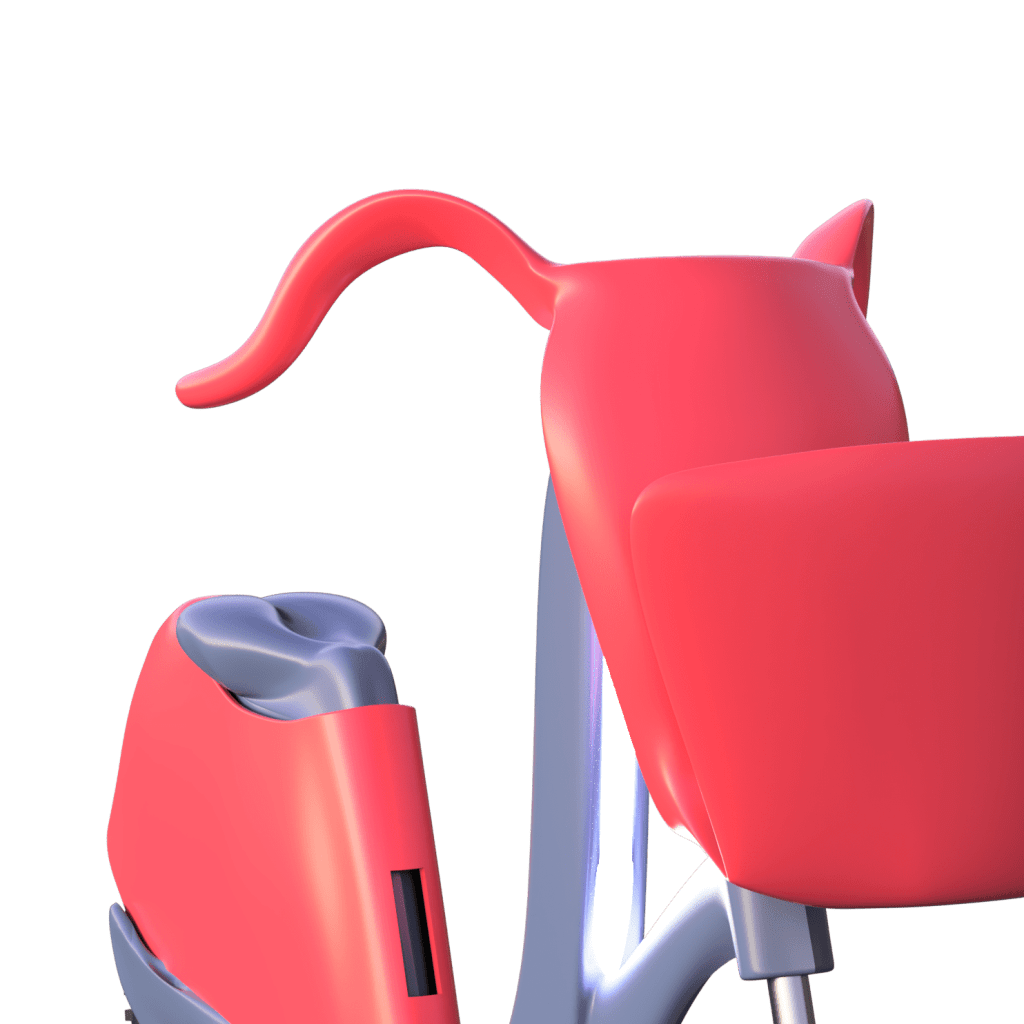
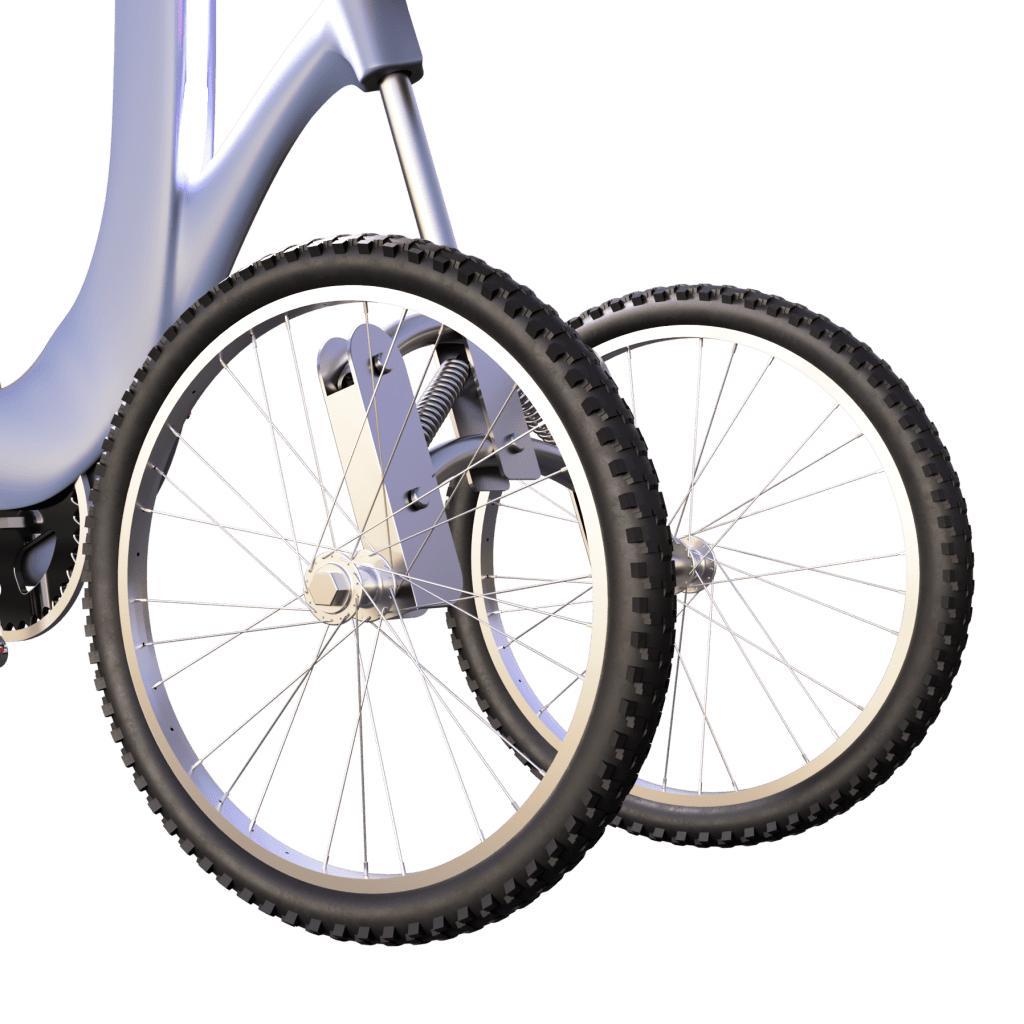
In order to carry out a low-cost manufacturing, the plastic injection process was recommended for the two main parts: the frame and the rudder basket. Therefore, the main challenge in the product was the exploration of integrated volumes capable of structuring the different efforts required by a human-powered vehicle.
Mobility Service Conceptualization
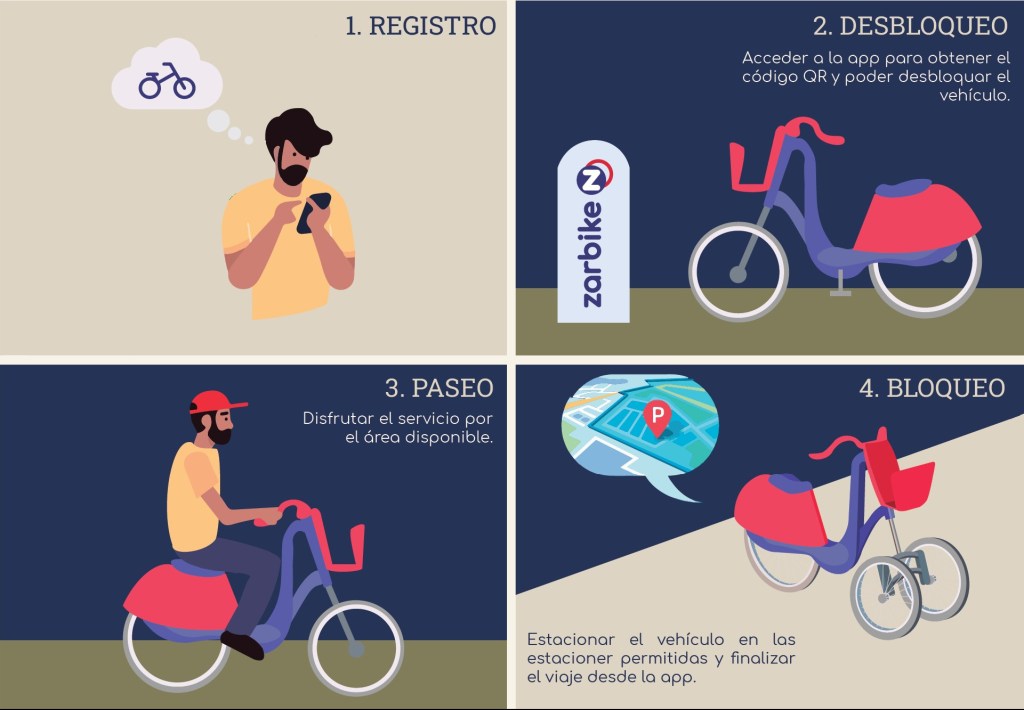
Based on the technical proposal, several tools were applied, such as ethnography, interviews and maps of actors and institutional relations for the design of a mobility service appropriate to the specific context.
Output
Return of birds
This metaphor refers to the recovery of plastic found on the coasts of Lima for the manufacture of the vehicle. It is also intended that these natural landscapes return to host the birds that left due to the high rates of marine pollution.


Project developed by industrial designers Fiorella Ramírez and Gabriel Cordova within the subject Diseño de Productos 4 taught at the Pontificia Universidad Católica del Perú during the academic semester 2019-2.
 Gabriel Cordova Ch.